harijp @ bakcuan terang46 China-ASEAN cooperation yields fruitful results
Over more than three decades, China and Association of Southeast Asian Nations (ASEAN) have fostered practical cooperation across various fields, advancing the establishment of the ASEAN Community and promoting regional economic integration. The China-ASEAN partnership has become one of the most successful models of cooperation in the Asia-Pacific region.
According to data from China’s Ministry of Commerce, the bilateral trade between China and ASEAN countries, such as Vietnam, Malaysia, Indonesia, Thailand, and Singapore, has exceeded $100 billion each. China has remained ASEAN’s largest trading partner for 15 consecutive years, while ASEAN has been China’s largest trading partner for four straight years. Together accounting for over one-fifth of the global economy, China and ASEAN serve as a vital engine for global and regional economic recovery. The fruitful results of China-ASEAN cooperation are attributable to collective efforts in both “hard connectivity” and “soft connectivity.”
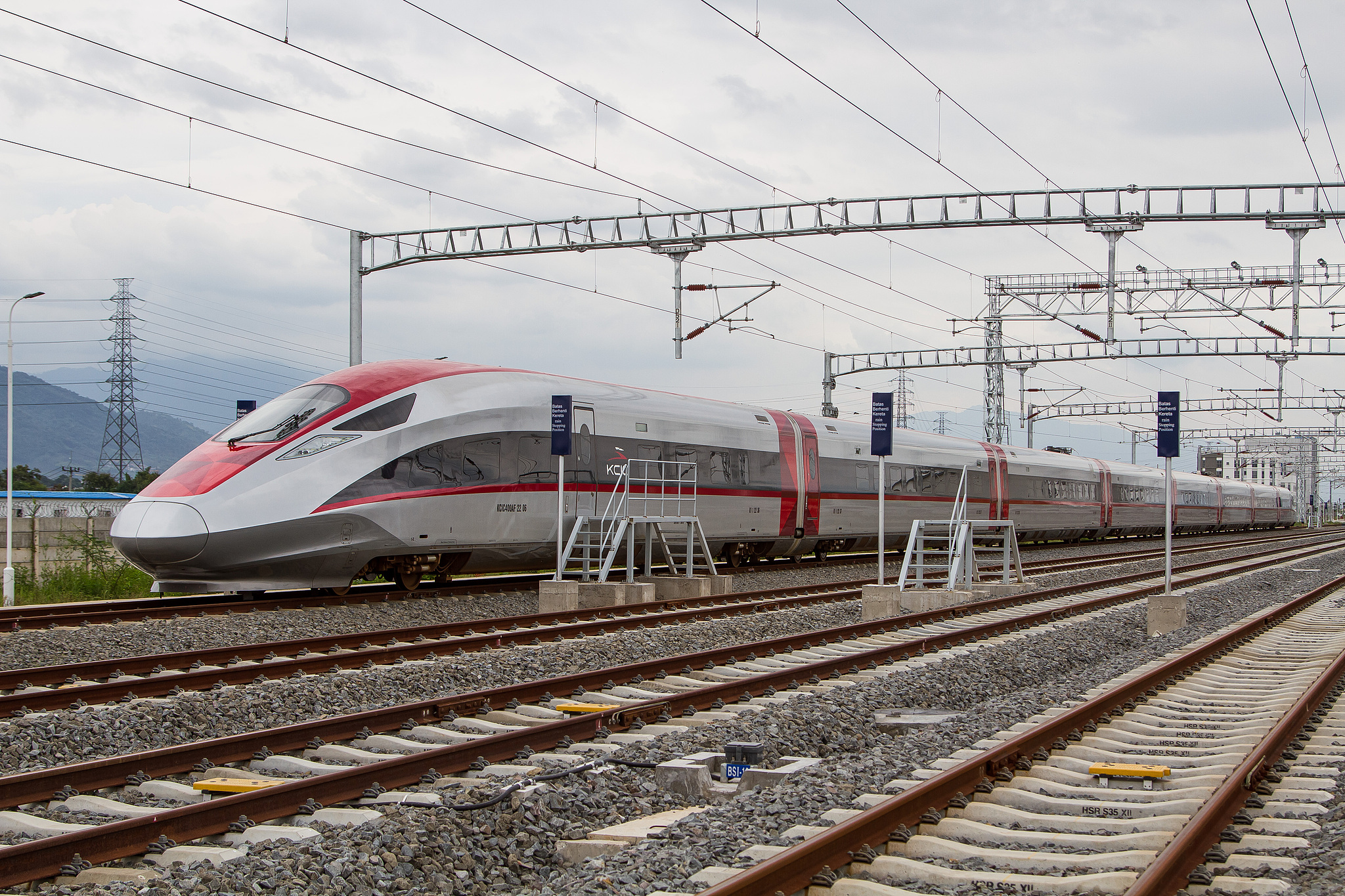
Collaboration in “hard connectivity” offers an infrastructure guarantee. Chongqing and Singapore function as the “dual hubs” of the New International Land-Sea Trade Corridor jointly built by China and ASEAN. By integrating various methods of transportation, such as rail, road, air, and water transportation, the new corridor has connected western China closely with the ASEAN region. In the three years since the China-Laos Railway commenced operations, its daily passenger traffic has increased from 20,000 to a peak of 100,000. Linked with the New Western Land-Sea Corridor and the China Railway Express, the China-Laos Railway’s cross-border cargo network now extends to 19 countries and regions. The opening of the Phnom Penh-Sihanoukville Expressway has significantly reduced travel time between Phnom Penh, the Cambodian capital, and the Sihanoukville Port. Over the past two years, total traffic volume of the expressway has exceeded 10 million vehicles, averaging 13,000 vehicles daily.
Beyond the construction of land routes, China and ASEAN have also worked together on “hard connectivity” projects in areas such as port shipping, air transportation, and the building of energy pipelines, effectively improving the business environment of industrial parks. Economic zones such as the Sihanoukville Special Economic Zone, the Thai-Chinese Rayong Industrial Zone, the Long Jiang Industrial Park, and the Vientiane Saysettha Development Zone have attracted numerous enterprises, actively boosting local employment and driving industrial upgrades in ASEAN countries.