SOMETHING does not seem right with some Philippine methods of governance.
For instance, Congress is primarily tasked with legislation. Although Congressmen and Senators have the “power of the purse” in passing the national budget for the President’s final approval, the budget implementation lies with the Executive and its various line agencies.
Strangely, however, after the signing of the P6.326-trillion General Appropriations Act (GAA) by President Ferdinand R. Marcos Jr., legislators and some officials seemed to have usurped the implementation of some items.
While the “4Ps” aid for the very poor appears to have been decreased, now the so-called AKAP (“Ayuda sa Kapos ang Kita” program) has been allotted P26 billion almost exclusively to be dispensed by legislators in this election year. Even though the Department of Social Welfare and Development (DSWD) said last Friday that only the DSWD frontliners will physically distribute the remaining AKAP funds, recipients will still need a recommendation from legislators to qualify. So, who are they kidding?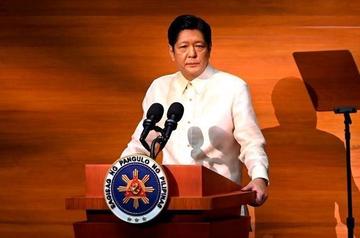
This is aside from the fact that Congress had doubled its own budget to P33.7 billion and that of the Senate to P14 billion (from the National Expenditure numbers), which stayed on even after the president vetoed some controversial items. It was only one senator, Risa Hontiveros, who did not sign the budget bill for the president’s final scrutiny.
Baguio City Mayor Benjamin B. Magalong, a major founder of the Mayors for Good Governance, laments with the hundreds of mayors in the country, that the legislators are now lording over about 80 percent of the distribution of the three government aid programs: AKAP; the AICs (Assistance to Individuals in Crisis Situation); and, the TUPAD (“Tulong Panghanap Buhay sa Ating Disadvantaged/Displaced Workers”).
Local government units (LGUs) scramble for the remaining 20 percent—at the mercy and grace of the legislators (the LGUs have to know and court them) when it is the LGU social workers who have the wherewithal to know who in the communities need assistance the most.
The legislators reportedly do not even give the LGUs the names of the beneficiaries who received the dole-outs—opening the possibility of giving duplication aid to the legislators’ supporters and those they are courting for votes—to the exclusion of all others.


