Researchers from Rice University, in collaboration with Guangdong University of Technology, have developed a groundbreaking method to treat high-salinity organic wastewater – waste streams containing high levels of both salt and organic content – by adopting dialysis technology, commonly used in the medical field for substance separation with minimal dilution.
In medical dialysis, a machine called a dialyzer filters waste and excess fluid from the blood of patients with kidney failure. The blood is drawn from the body, purified within the dialyzer, and then returned through a separate needle or tube.
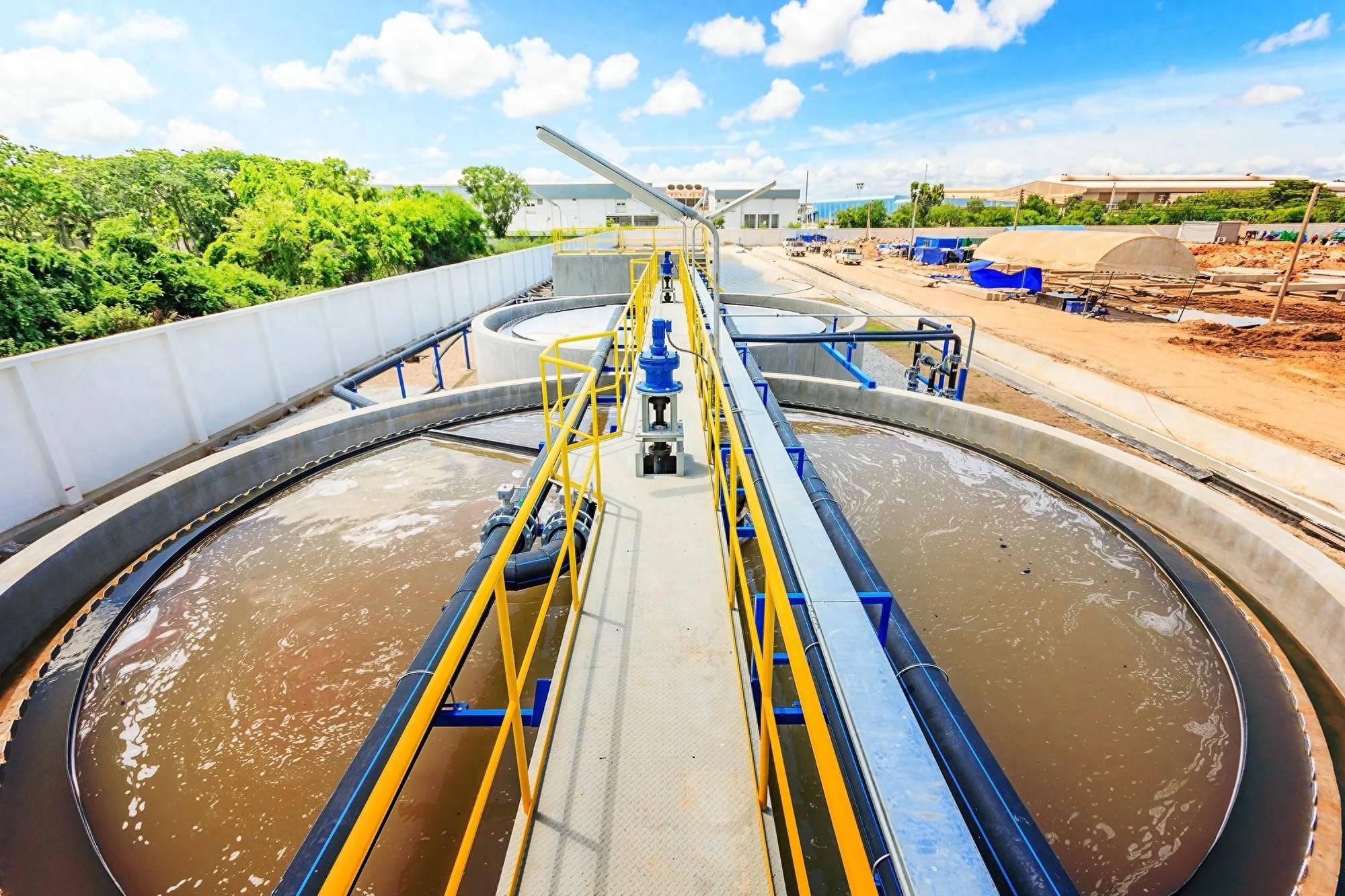
In their study published in the journal Nature Water, the research team demonstrated that a similar process can effectively separate salt and organic compounds in wastewater with minimal dilution. This method overcomes major limitations of traditional treatment methods and offers significant advantages, including reduced environmental impact, lowered operational costs, and the potential to recover valuable resources across various industries.
“In our experiments, dialysis showed astonishing effectiveness in separating salt from organics,” said Menahem Elimelech, the corresponding author of the study and professor of Civil and Environmental Engineering, and Chemical and Biomolecular Engineering at the Nancy and Clint Carson School of Engineering at Rice University. “This is an exciting discovery that has the potential to redefine how we tackle some of the most difficult wastewater challenges.”


