Volatility is, in essence, a metric that gauges how quickly the price of an underlying asset (such as the SSE 50 ETF) changes, or simply put, the uncertainty of price movements. In options investing, volatility plays a pivotal role because it is directly linked to the option premium; the higher the volatility, the more expensive the premium. Therefore, when selecting contracts, volatility is a crucial piece of information to consider.
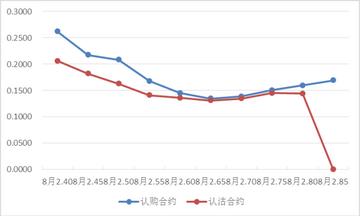
- What are the types of volatility?
There are several types of volatility, but let’s focus on these three:
Historical Volatility (HV): This is calculated based on past data, reflecting how the price of the underlying asset has fluctuated in the past. It only reflects past conditions and has no predictive power for the future.
Implied Volatility (IV): This is inferred from the option premium, with each option having its own implied volatility. It represents the market’s expected volatility from now until the option’s expiration.
Realized Volatility (RV): This refers to the actual volatility of the investment return during the option’s validity period. However, since investment returns are a random process, realized volatility is always unknown and can only be estimated.


