The fluctuations in gold prices often captivate the hearts of every investor and consumer. Recently, the gold market has experienced a decline, with gold bar prices fluctuating accordingly, sparking widespread market attention.
Data from February 13th indicates that the domestic gold price is 680.1 yuan per gram, while the international gold price is $2,894.5 per ounce. Despite an overall market downturn, the gold prices of some branded jewelry stores have remained stable. For instance, the gold prices at Chow Tai Fook and Lukfook Jewelry have consistently hovered at 886 yuan per gram, seemingly offering consumers a glimmer of comfort.
However, the gold prices of some brands have experienced declines. For example, the gold price at Chow Sang Sang dropped from 891 yuan per gram to 880 yuan per gram, a decrease of 11 yuan per gram, and the price at Lao Miao Gold also slightly declined from 889 yuan per gram to 885 yuan per gram. This volatility not only reflects market tensions but also makes one exclaim that the gold market is truly a war without smoke.
In the face of such price fluctuations, consumers cannot help but ponder: What market laws are hidden behind this? Is it natural fluctuations in gold prices, or are changes in the international economic situation driving all this? Although price fluctuations bring some confusion, they are also a signal: The market needs to adapt to changes, and investors need to proceed with caution.
Not only gold jewelry but also the prices of gold bars have attracted widespread attention. The gold bar prices of several major banks, such as 694.84 yuan per gram at Industrial and Commercial Bank of China and 695.70 yuan per gram at China Construction Bank, indicate the price trend of gold bars as an investment product and reflect profound changes in the financial market. The real-time updating of bank gold bar prices means that every market fluctuation may impact investors’ decisions.
From this, it can be seen that gold is not only a tool for preserving value but also a sensitive indicator reflecting changes in the market economy and international finance. Against the backdrop of global economic fluctuations, gold price volatility often serves as a mirror of market reactions. Fluctuations in gold prices directly affect investors’ psychology and, in some cases, may even alter their consumption decisions.
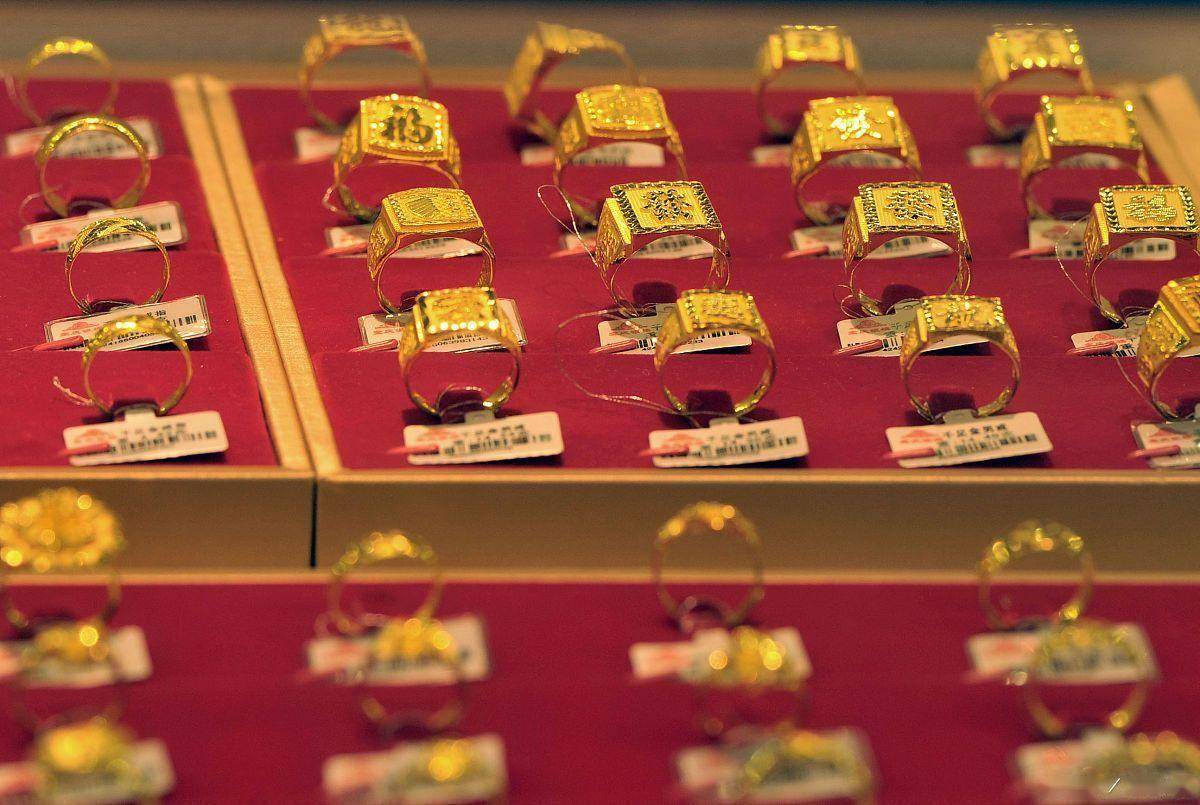
For ordinary consumers, while a decline in gold prices means lower costs for purchasing gold, they should also be wary of potential risks. Changes in gold prices are not always advantageous, especially in situations of economic instability or significant policy changes. Investing in gold requires more consideration and caution. The market performance of gold is not entirely determined by supply and demand relationships; it is also influenced by multiple factors such as the global economy and political situations.


