Last week, gold saw a significant rally on Monday, hit a new high before retreating and closing lower on Tuesday, rebounded and closed higher on Wednesday, continued its upward trajectory on Thursday, and rose during the Asian and European sessions on Friday but failed to surpass Tuesday’s high, ultimately plunging during the US session and closing lower, resulting in a weekly candlestick with a long upper shadow.
Fundamentals:
Last week, the global financial markets witnessed dramatic changes, with complex and ever-shifting dynamics in tariffs, inflation, and Federal Reserve-related news. Trump’s tariff commitments, fluctuating inflation data, Powell’s public remarks, and the release of retail sales data—numerous factors intertwined, exerting a profound impact on market expectations.
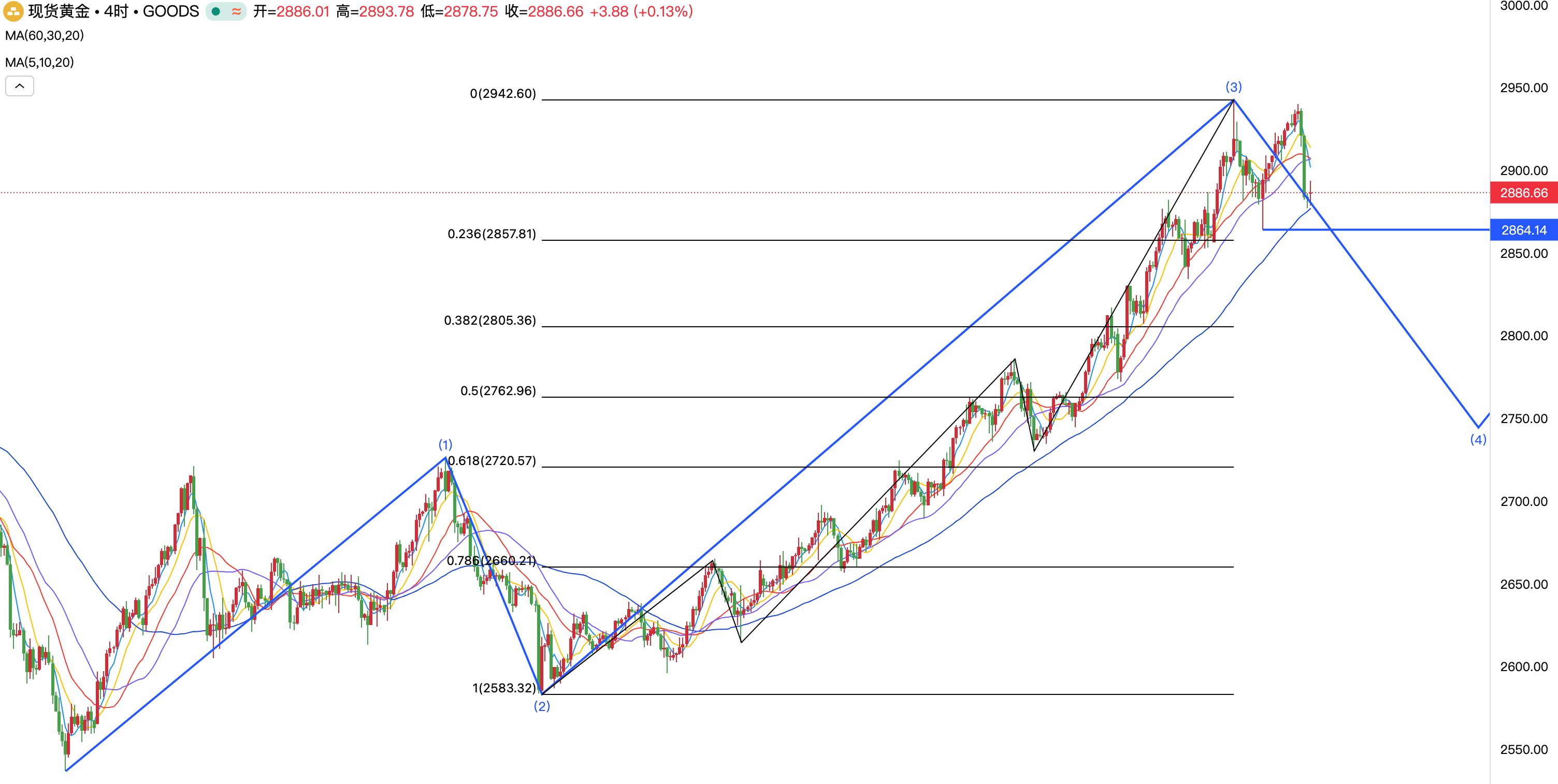
Although the specific details of Trump’s reciprocal tariff policy remain unclear, market concerns about inflationary pressures are already escalating, continuously boosting the demand for gold as a safe-haven asset. Meanwhile, the lackluster performance of US economic data, with retail sales declining, has further reinforced the market’s reliance on gold’s hedging function. Currently, the Federal Reserve’s monetary policy is the focus of attention from all sectors. Judging from various indicators, the Fed is likely to maintain its current interest rate policy, with no immediate plans to cut rates.
From the perspective of gold’s own market trend, in the short term, due to the accumulation of previous gains, the gold market faces some profit-taking pressure. However, in the long run, the upward trend of the gold market has not fundamentally changed. Tariff adjustment plans, rising inflation expectations, the weakening of the US dollar, tensions in global trade, the slowing pace of US economic growth, and uncertainties in the Fed’s monetary policy—numerous factors collectively provide strong support for gold prices. This week, changes in economic data and new developments at the policy level remain key areas of focus for investors and market participants.


