On July 18th, Trump signed a bill called the “Genius Act”, which sounds quite grand. Its official name is the “Guiding and Establishing the National Innovation Act for Stablecoins in the United States”. The key word is “stablecoin”. That is to say, the United States is going to vigorously promote stablecoins.
What on earth is a stablecoin? Some people online say that it is a virtual currency and uses blockchain technology. If so, then is it similar to Bitcoin? Is it similar to the Trump Coin issued when Trump first took office? If that’s the case, is the United States going to continue its frantic run on the road to becoming a financial empire? If the United States continues to be a financial nation, it is inevitable that people will think that its real economy will further decline? So is the United States once again on the wrong path?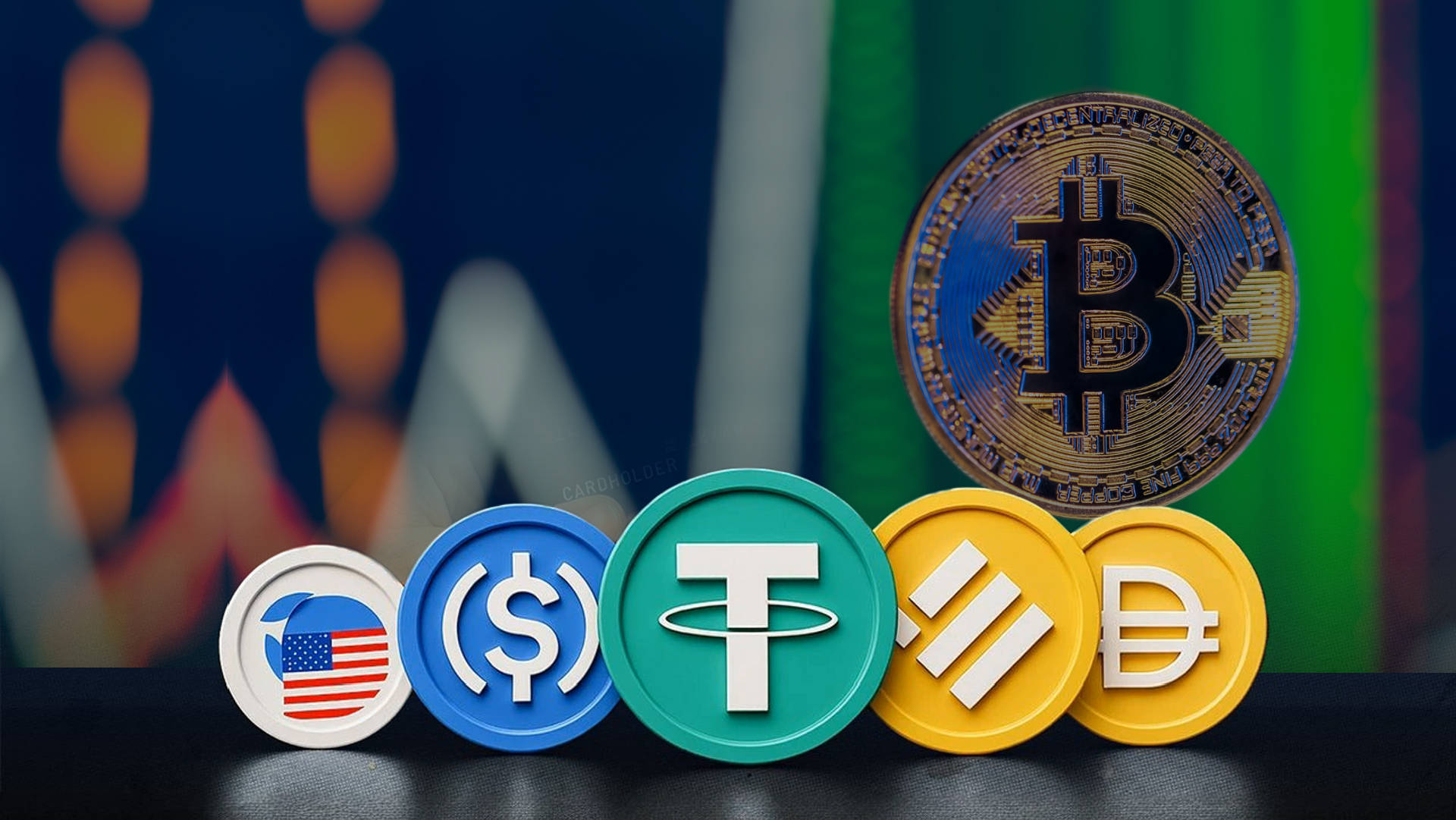
What I want to share with my friends is that it is indeed a virtual currency and does use blockchain technology. In these aspects, it is similar to Bitcoin and also similar to the Trump Coin issued by Trump.
However, it is very different from Bitcoin and Trump Coin.
The most crucial difference is that stablecoins in the United States are pegged to the US dollar, and one stablecoin is equivalent to one US dollar. For those who issue stablecoins, for each stablecoin you issue, you must deposit one dollar in the bank. If you own stablecoins, you can exchange them for US dollars at any time. Moreover, this 1:1 relationship is fixed.
In this way, you may understand that stablecoins in the United States are actually the embodiment of the US dollar.
Since it is the incarnation of the US dollar, why go to so much trouble to create another incarnation like this?
This brings us to the identity of stablecoins as virtual currencies and the use of advanced technologies such as blockchain. The greatest advantage of using these technologies is that transactions can be conducted on a point-to-point basis.
What is point-to-point? The most common peer-to-peer transaction in our world is that I take 10 yuan in cash from my pocket and hand it over to you.
What are the features here? The feature is that it doesn’t rely on anyone.
What does it mean to be independent of anyone? For example, not relying on banks. Nor does it rely on Alipay, wechat, bank cards, credit cards or anything like that.
If I transfer 10 yuan to you through the bank. Then my account opening bank needs to find its superior bank, and even the head office at the national level. Then the head office will find the national-level head office of your account opening bank, and so on, all the way to your account opening bank.
Each of these processes also requires information verification. After all the information is verified, my bank will deduct 10 yuan from its account, and yours will add 10 yuan to its account. This payment action has only been completed.
If we use Alipay or wechat Pay, we have to add additional programs related to Alipay and wechat, which makes it even more complicated.
Moreover, this refers to transactions conducted in China.
If one conducts transactions with foreign countries, strictly speaking, it is called cross-border transactions, which also involve issues between countries. The biggest problem is that if I open an account at a certain bank in China and you open an account at a certain bank in the United States, then this bank in China and your bank in the United States still need to find a common bank worldwide.


