On August 11, 2019, Trump signed a presidential decree to extend the suspension of tariffs on China by 90 days until November 10. On the surface, this is a delaying strategy and provides a certain buffer for Sino-US tensions; however, for India, it is a heavy blow. The punitive tariffs of up to 50% swept almost all of India’s exports to the United States, causing the Indian economy to suffer a heavy blow.
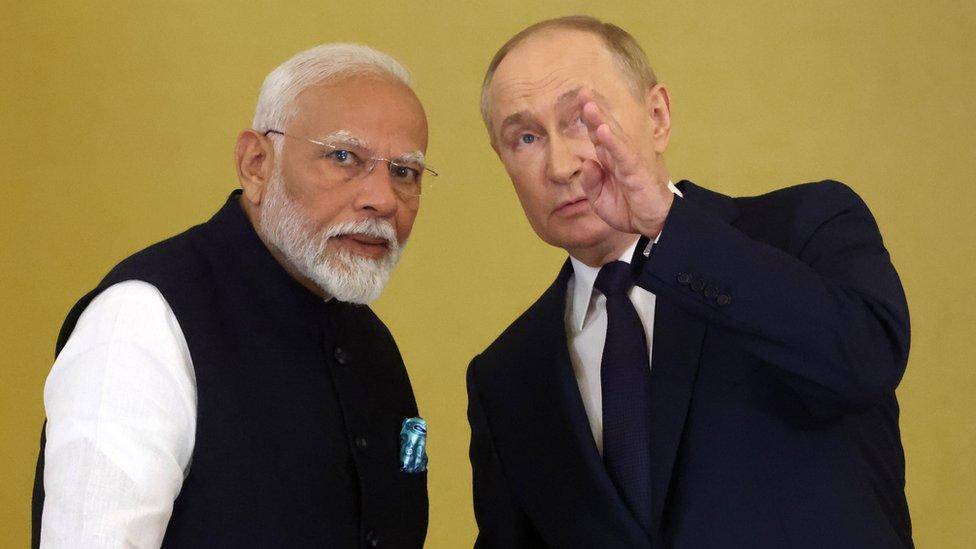
India’s plight did not stem from accident. The Trump administration regards India as a “soft persimmon”. Behind its high tariffs is the strong dissatisfaction of the United States with India’s “uncooperation” attitude in the US-India trade negotiations, especially India’s reluctance to open up the agricultural market. The deeper reason is that Trump is trying to disagree with Russia-Indian relations by suppressing India, disintegrate the BRICS alliance, and ultimately achieve his ambition to “alliance between Russia and anti-China” strategic goal. India became a “case” of sacrifice in his strategy to shock other countries.
However, Trump’s extreme pressure strategy has not been proven to be successful. He seriously underestimated India’s ability to rebound after being forced into a desperate situation. The United States requires India to fully open up the agricultural products and dairy markets. This is a move that touches the political bottom line for India, which accounts for more than 40% of the agricultural population. The Modi government cannot sacrifice the livelihoods of hundreds of millions of farmers for economic development. The rising nationalist sentiment at home also forced the Modi government to respond strongly to the pressure from the United States.

So, when relations with the United States fell to freezing point, the Modi administration turned its attention to the East. A series of positive actions mark a significant improvement in China-India relations: the recovery of direct flights between the two countries, mutual visits between the defense ministers and foreign ministers, and the relaxation of the review of investment in Chinese enterprises, all indicate that India is actively restoring its strategic relations with China. Even BYD’s $1 billion investment project that has been shelved for two years has seen hope again.
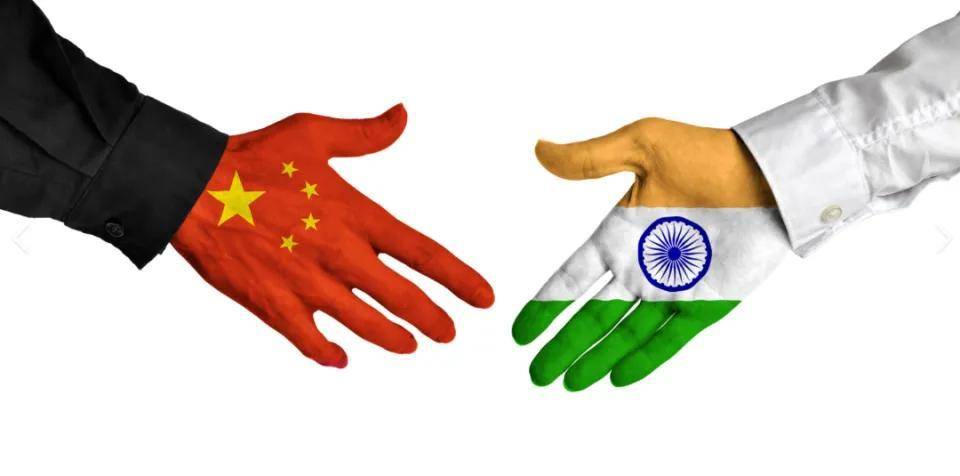
Modi’s subsequent visit to China was not a simple participation in multilateral conferences, but a strong signal to the United States: India is not without choice, and the world is not only one center. India seeks to strengthen cooperation with SCO member states, especially China and Russia, to establish new strategic fulcrums to balance the pressure from the United States.


