On July 9, US President Trump issued a letter saying that he would impose a 50% tariff on Brazilian products from August 1. Some American public opinion says that tariffs are conducive to supporting the development of the American local coffee planting industry.
However, many American coffee growers pointed out that even if they expand production on a large scale, due to factors such as natural environment and costs, American coffee cannot match coffee in Brazil and other countries, and tariffs cannot help the American local coffee industry.
For a long time, the production of local coffee beans in the United States only accounts for about 1% of its consumption, and the U.S. coffee industry relies heavily on imported coffee beans.
According to a recent report by the US Consumer News and Business Channel, due to tariffs, US coffee prices rose by 14.5% year-on-year in July. The tariffs forced a large number of American coffee shops to face a difficult choice: either bear the pressure of rising costs, pass it on to customers, or make compromises on coffee quality.
At the same time, when some American public opinion claimed that “tariffs will support the American local coffee planting industry”, many American coffee growers opposed this. They said that coffee in the United States faces problems such as high production costs and inappropriate climate, which cannot replace imported coffee, and tariff policies cannot provide them with practical help.
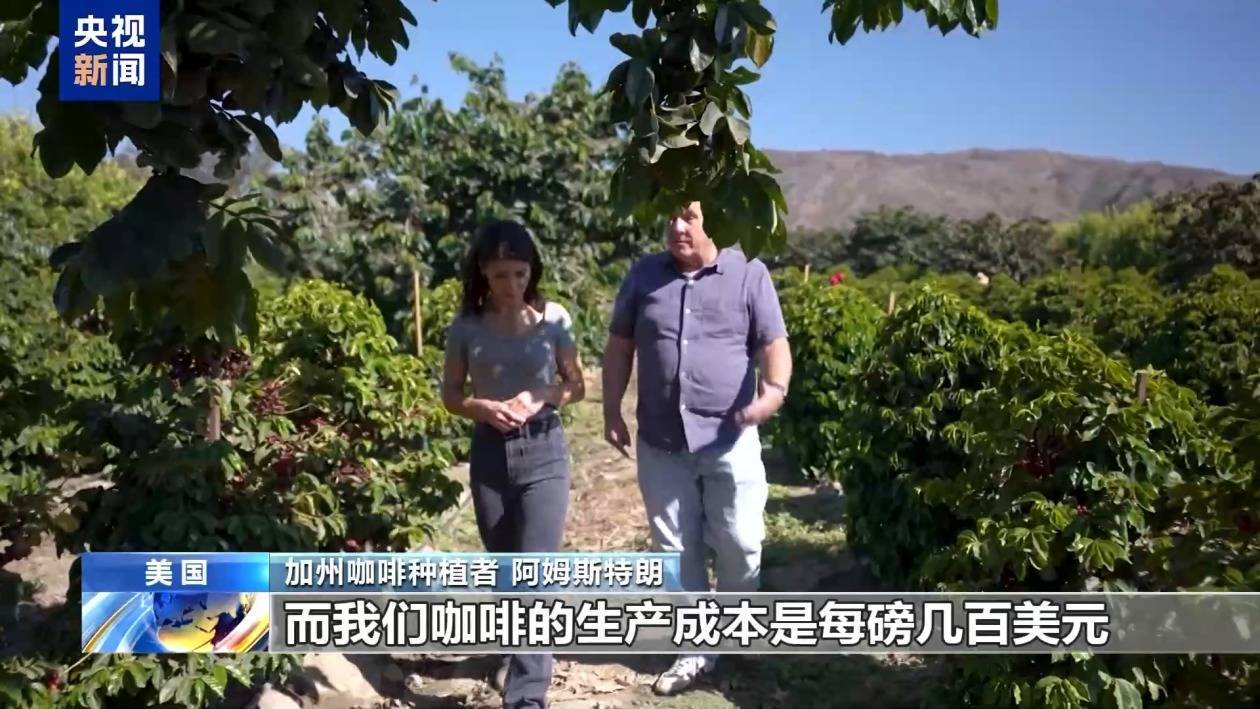
California coffee grower Armstrong: Brazil has been hit hard by tariffs, but their coffee production costs are around $4 per pound, while our coffee production costs are several hundred dollars per pound.
Reporter: Can California produce coffee that competes with Brazil, Colombia and Ethiopia?
Armstrong, a California coffee grower: I think the cost of our production, labor, water and everything else means our coffee can never match the coffee in other countries.
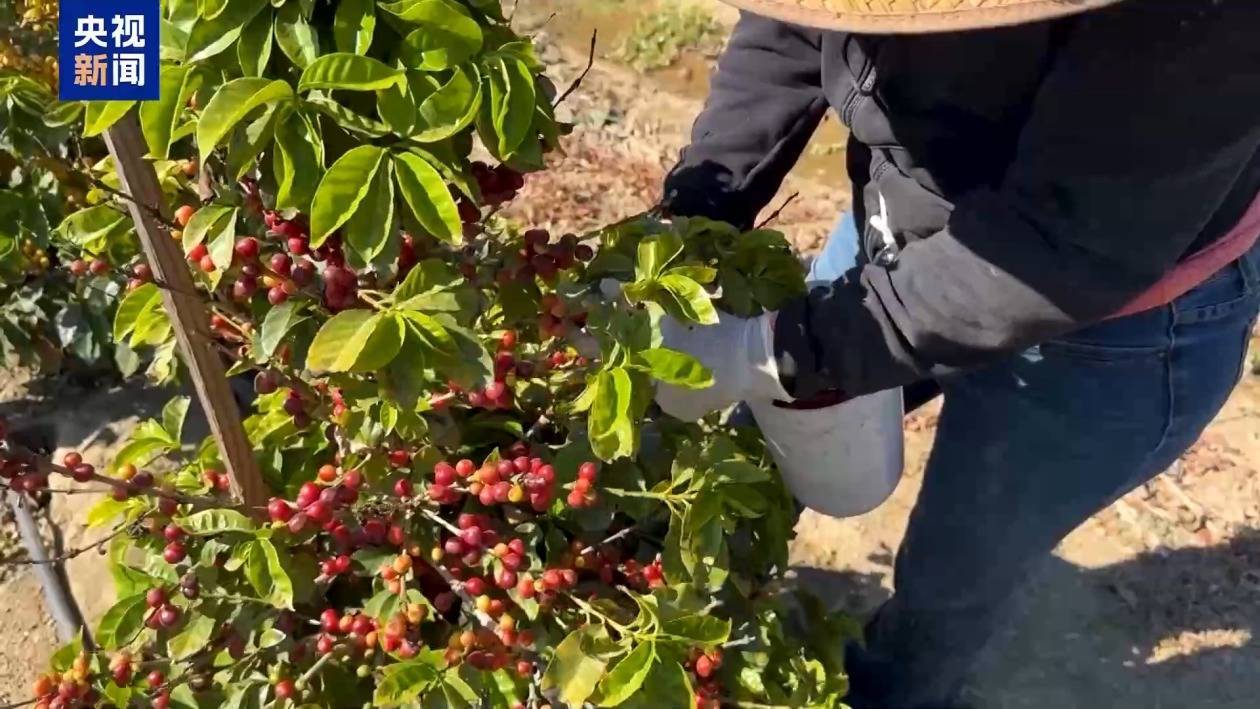
Some American coffee growers said that even if the United States starts growing coffee in large quantities, U.S. production will eventually be far from meeting domestic demand, and tariffs will make U.S. coffee prices soar in any case.


