CBC reported on the 6th that Canadian Prime Minister Mark Carney announced last Friday that it would postpone the plan to force automakers to reach the lowest sales level of electric vehicles by 2026, which can be interpreted as another “retreat” of the new prime minister in climate policy. The Associated Press believes that the move is “because the industry is responding to the U.S. government’s tariff policy.”
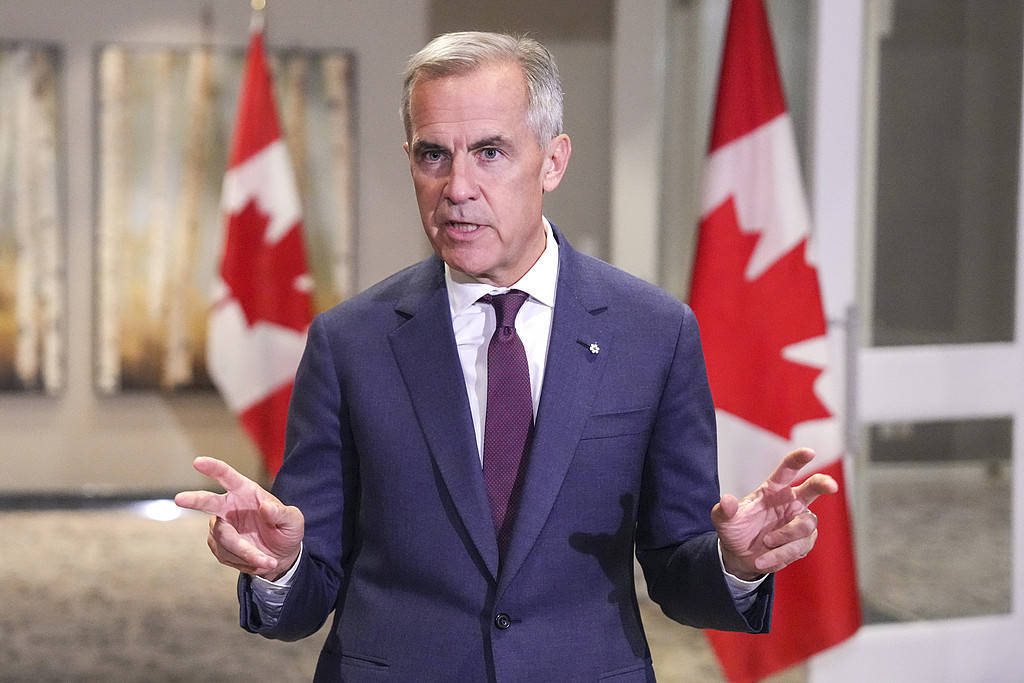
According to the Associated Press, the injunction requires that by 2026, 20% of passenger cars sold in Canada will be zero-emission vehicles. “Our automotive industry is under great pressure due to huge changes in U.S. trade policy,” Carney said. The sales ratio requirements for electric vehicles increase liquidity issues for automakers and bring significant financial pressure. The Canadian Automobile Manufacturers Association and industry organizations continue to put pressure on the government to call for a re-evaluation of the mandatory policy.
According to the BBC, although the mandatory requirements for electric vehicles will be suspended starting next year, the long-term goal of “electric vehicle sales to 60% by 2030 and 100% by 2035” will remain unchanged. Just a month ago, the Canadian Ministry of Energy and Natural Resources also announced more than $25 million 33 projects aimed at improving the ease of charging electric vehicles, promoting decarbonized freight and developing medium and heavy trucks.
Claude Guy, the parliamentary secretary of the Canadian Minister of Energy and Natural Resources, previously said, “Through these initiatives, we are accelerating the transition to zero-emission vehicles. We will install more than 850 electric vehicle chargers across Canada, most of which are in Quebec, and improve Canadian electric vehicle performance and more through authorized breakthrough technologies.”
In addition to the automotive industry, “Canada is introducing measures to help a series of important industries squeezed by US tariffs.” The Wall Street Journal reported on the 5th that Carney proposed measures last Friday include the establishment of a new strategic fund, totaling up to $3.6 billion to help the affected industries reorganize their businesses and find new markets for their products. The Canadian government will also implement a new “Buy Canadian goods” policy requiring government-funded projects to use domestically produced steel and aluminum. Carney said the current procurement policy “follows the outdated rules of the old free trade order that no longer exists.”


