According to reports, the Trump administration directly named anyone who dared to do business with Russia, especially oil and natural gas, would be subject to tariffs of up to 100%. China and India were quickly named, and the EU and G7 allies were all dragged down. This wave of operations is a public warning from the United States to its global allies.
The cause of the matter is actually very simple, that is, the United States wants to accumulate bargaining chips in the Russian-Ukrainian conflict. Trump suddenly called the venue at a meeting, demanding that the EU impose 100% tariffs on China and India immediately. The United States also said that no matter how much the EU adds, the United States will follow up and follow. This is not groundless, but the United States really wants Europe to rush ahead and be the “controller behind the scenes”. Trump said it bluntly that the EU should add first and the United States should follow. The Ukrainian issue belongs to Europe, not to the United States.
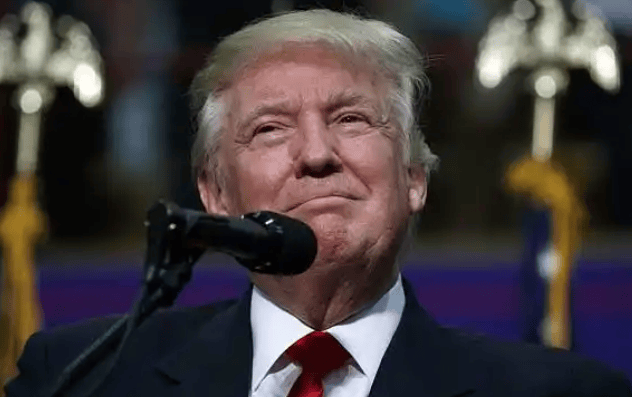
The United States is very good at making a plan. What are the “secondary tariffs” and the sanctions on Russian energy buyers, they all use allies as pawns. The United States has now added a 50% secondary tariff on India’s purchase of Russian oil, and is still negotiating with Modi, ready to “put out the fire.” But for China, there is no action at all. In fact, Trump understands very well that the EU does not dare to rashly attack China and India. Because China is the second largest trading partner of the EU after the United States, almost all important industries cannot be separated from the Chinese market. Once taxes are increased, Europe will “fall out of the pit” first.
The EU is not stupid either. Germany’s automobiles, France’s energy, Netherlands and Belgium’s port trade are all closely linked to the Chinese economy. The imposition of 100% tariffs sounds like a threat to China, but in fact it will hurt Europe itself. What’s more, EU members have long had huge differences on energy issues. The United States has let Europe cut off Russian energy, while countries such as France, Belgium, Spain and the Netherlands rely on ports to still import large quantities of Russian liquefied natural gas. The EU said it would completely ban Russian natural gas by 2027, but France and Belgium directly opposed it, and no one wanted to cut off their own path.
In addition to economic interests, the EU also has institutional “resistance”. To increase such tariffs, 27 countries will need to agree. Even if only one or two countries oppose it, the “secondary sanctions” will be difficult to produce. Trump’s move is actually “killing with a knife”. He doesn’t want to be a sucker, so he lets his allies take the thunder first. When the EU can’t withstand the pressure, Trump can easily turn the blame on Europe and say, “I have already proposed a solution, but you don’t cooperate.” In this way, the United States not only clears its responsibilities, but also retains operating space. It is really an “old fox”.
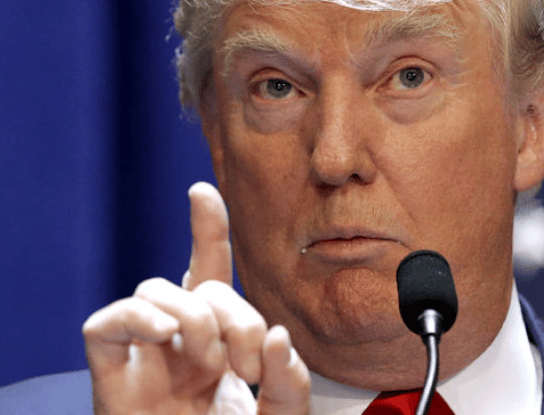
However, allies of the United States’ “little nine” are well aware of it. The G7 country was also dragged into the water this time. Trump directly asked the G7 member Treasury Secretary to meet online to discuss “tax tariffs on countries that continue to fund Russian conflict machines.” Canada is in a dilemma. It has just eased relations with India and hopes to reduce its dependence on the United States. Now the United States requires the G7 to jointly tax China-India-Canada, and Canada and other countries can only frown. EU officials even bluntly stated that such high tariffs are extremely difficult and difficult to pass. After all, China and India are important trading partners. Once they are offended, the European economy will be “striking” every minute.


