The recent trade game between the United States and South Korea is full of gunpowder. Do you like to sign a trade agreement or not? South Korean President Lee Jae-ming directly retorted, “I will definitely not sign if there is no benefit.” This attitude is simply tough!
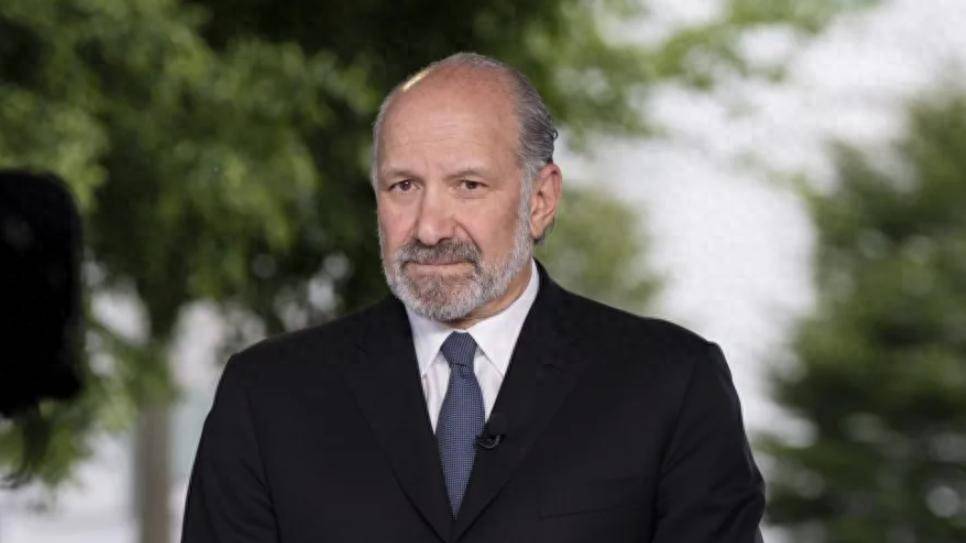
US Commerce Secretary Lutnik said that South Korea either signs an agreement with the United States or pays high tariffs, and there is no third option.
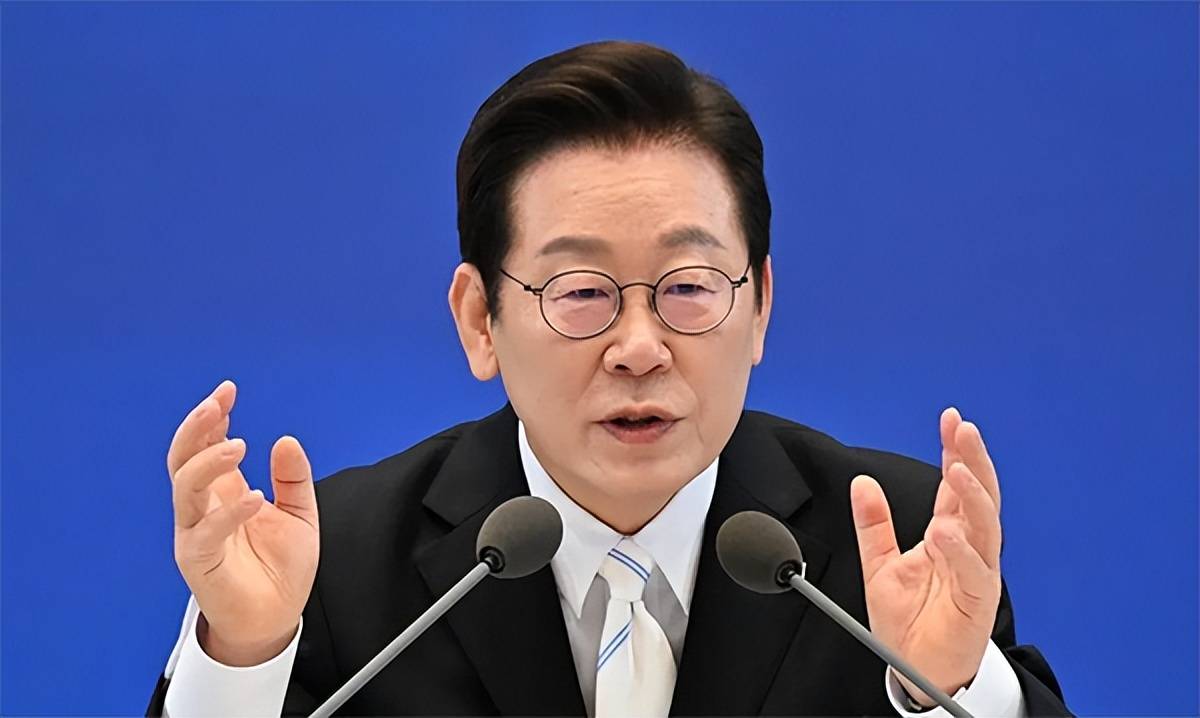
But Lee Jae-ming said bluntly, “If the agreement is not good for us, we will not sign it.”
It has been half a year since the Trump administration launched a tariff war. Who would have thought that South Korea would be so tough at the beginning?
In the past, South Korea was always a passive party in the US-South Korea trade. This time, it dared to say “no” to the US-led agreement. This change is simply shocking.
Many people think that South Korea is an “impulse”, but in fact, it is not that simple? In the past few decades, the United States has dominated the South Korea-US alliance, and South Korea has indeed relied on the United States in terms of economy and security.
But this time it is different. The United States is too much. From demanding South Korea to invest $350 billion in the United States, to forcing 90% of the returns to the United States, to storming arrests of workers from Korean companies, which step is not stepping on South Korea’s bottom line?
To put it bluntly, the United States is trying to engage in “hegemonic harvesting of interests.”
On the surface, it is to invest in the shipbuilding industry and buy liquefied natural gas to boost the US industry, but what about it? It is to tie South Korea to its own “economic tank” in the reconstruction of the global industrial chain.
South Korea’s shipbuilding and semiconductor industries are so important. The United States not only wants money, but also wants to bind the Korean industry through investment, making South Korea more dependent on the United States in technology and market, thereby consolidating its economic influence in the Asia-Pacific.
Let’s talk about the sudden arrest of workers from Korean companies. Most of these workers are technicians assigned by Korean companies to operate normally in the US factories, but the United States arrests people on the grounds of “immigration issues”. Isn’t this a double standard?
This is using the “safety card” to pressure South Korea, telling you that I can grasp the interests of the industry in the United States at any time.
But the United States did not expect that this hit South Korea’s pain points.
In recent years, South Korean companies have been restricted from investment in the United States. From semiconductors to automobiles, the United States has always set restrictions on the grounds of “national security”. South Korea has long been furious. The unreasonable terms of this trade agreement have become the fuse.
South Korea’s response is not simple either, but it is not just about negotiating conditions. It did not directly deny cooperation, but proposed a plan of “150 billion shipbuilding, 200 billion yuan in part to promote it, and mostly in the form of loan guarantees.”


