Research by the US Department of Agriculture shows that the first round of trade war initiated by Trump has caused US agricultural export losses of more than $27 billion, of which soybean losses account for about 71%. Lagran pointed out that in response, China began to increase imports of soybeans from Brazil, while U.S. soybean growers have not yet recovered their lost market share. In April 2025, the Trump administration once again imposed 10% benchmark tariffs and additional tariffs on many countries, including China, with the tax rate on China’s goods reaching 34%, and the comprehensive tax rate after the previous policy was close to 70%. China quickly took countermeasures and imposed an equal proportion of tariffs on all U.S. imported goods starting from April 10. On the day the news was announced, the price of the main soybean contract on the Chicago Futures Exchange fell by more than 2% in a single day, hitting a minimum of 980 cents per bushel, reflecting the market’s panic about the risk of supply chain disruption.

Looking back at the impact of the first round of tariff war in 2018, the amount of soybeans imported from the United States had dropped sharply. From the second half of 2017 to the first half of 2018, China imported 29.58 million tons of US soybeans; from the second half of 2018 to the first half of 2019, this figure plummeted to 6.67 million tons, a drop of 76.7%. At that time, the average price of CBOT soybean futures fell by 10.65% year-on-year, while the cost of Brazil’s soybean arrivals rose by 6.81% against the trend, which was attributed to the transportation premium and supply and demand mismatch brought by China’s turn to South America procurement. By the second half of 2019, China’s total imported soybeans rebounded to 95.36 million tons, close to the pre-dispute level, but the US soybean procurement volume only recovered to 20.35 million tons. The market began to digest policy shocks, and the price correlation was reunited.
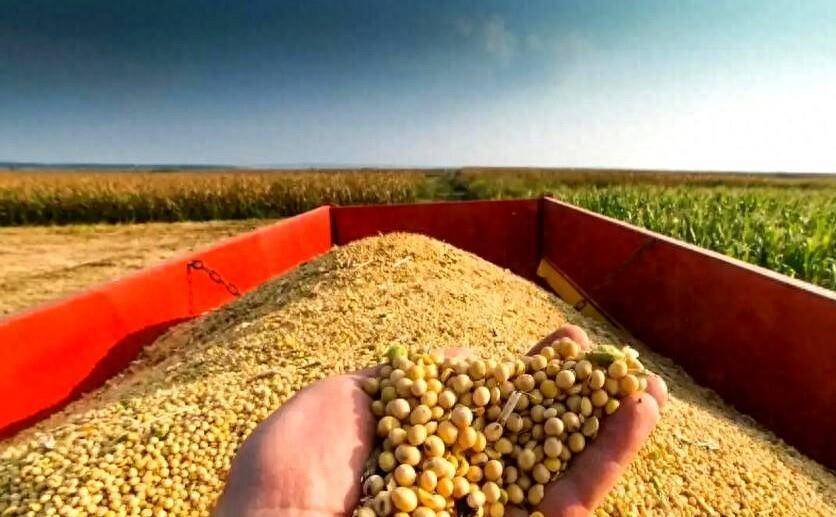
In order to prevent the United States from converting soybean exports, China has adopted a two-pronged strategy. At present, the concentrated harvesting period of US soybeans is from the end of September to the beginning of November, while there are only 59 days left in negotiations on the second exemption of tariffs between China and the United States. Time is tight, and if Trump wants to resolve the dilemma of unsalable soybean sales in the United States, he must show enough sincerity, negotiate with China, and reach a mutually beneficial trade agreement. The Chinese Foreign Ministry has made it clear that there is no winner in the trade war. If the United States wants to resume soybean exports, it must abolish tariffs and return to equal consultations. China has obtained alternative options through stable supply from Brazil and other countries. If the US continues to politicize economic and trade issues, it will only further harm its own interests. The American Soybean Association warns that losing the Chinese market may cause losses of 10 billion US dollars, and more than 30% of soybean farmers are at risk of bankruptcy.
The impact of the trade war has far exceeded that of the agricultural sector. In the first half of 2025, U.S. exports to China fell and the overall trade deficit narrowed, but this came at the cost of rising domestic prices. Consumers’ cost of purchasing Chinese goods has increased, and inflationary pressure has risen. Trump’s tariffs are equivalent to an additional $1,300 per household, and the agricultural sector is losing $2.7 billion, mainly concentrated in soybean-related industries. Trump had paid $2.3 billion in farmers’ subsidies in his first term, but large farms benefited more, and small farmers generally felt unfair. Nowadays, simple subsidy measures may be difficult to work in the face of more complex and improved alternative supply chains in China.

China’s strategy of turning to South America to circumvent U.S. tariffs has proven successful. Brazil has become the largest exporter, with Argentina ranks third. China ensures stability in supply by investing in South American infrastructure, including ports, bridges and railways. And American farmers can only watch all this happen, but they can do nothing. “


