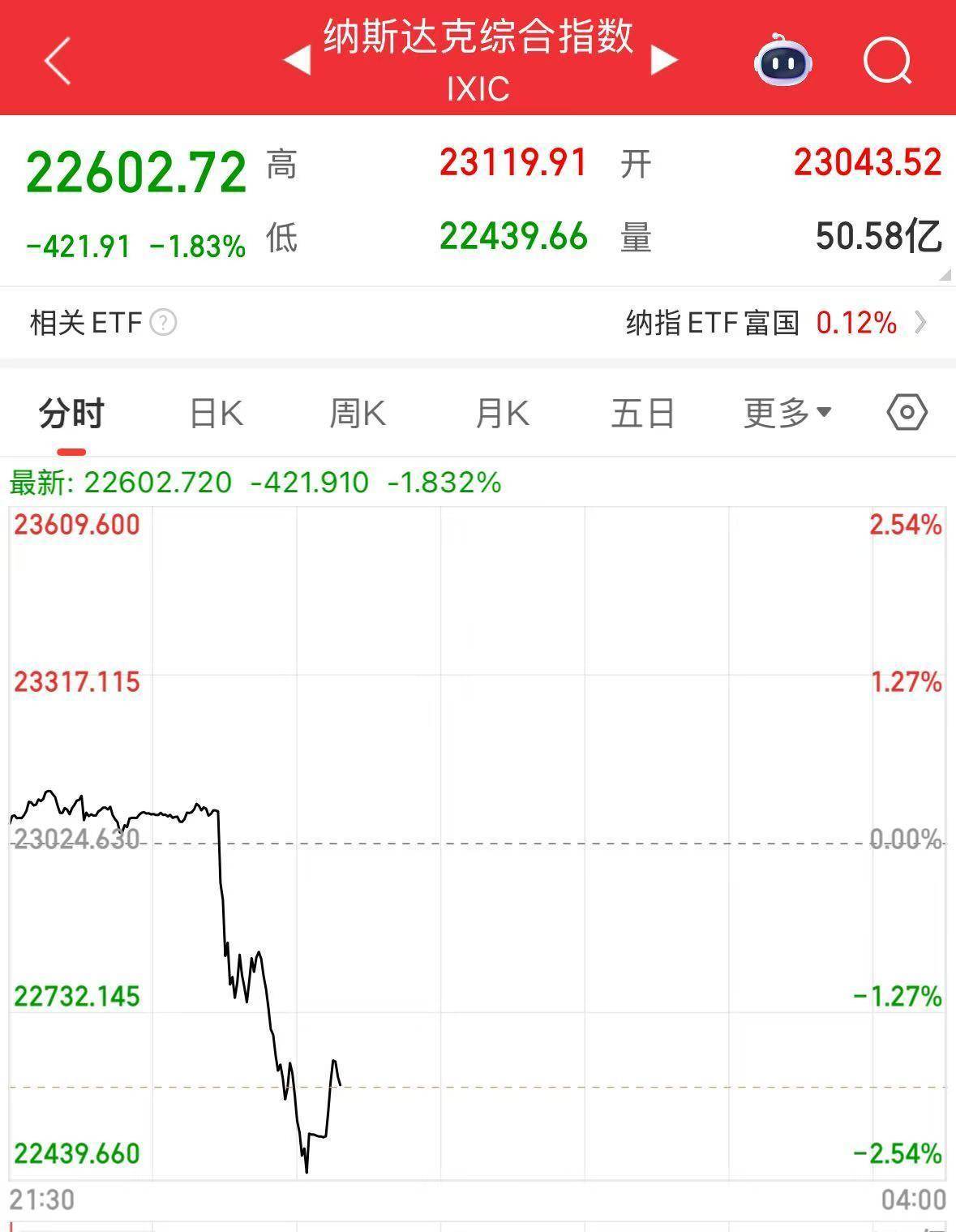
Late at night on October 10, the three major U.S. stock indexes collectively rose, with the Nasdaq hitting a record high. But then it suddenly plummeted. As of press time, all three major indexes have turned negative.

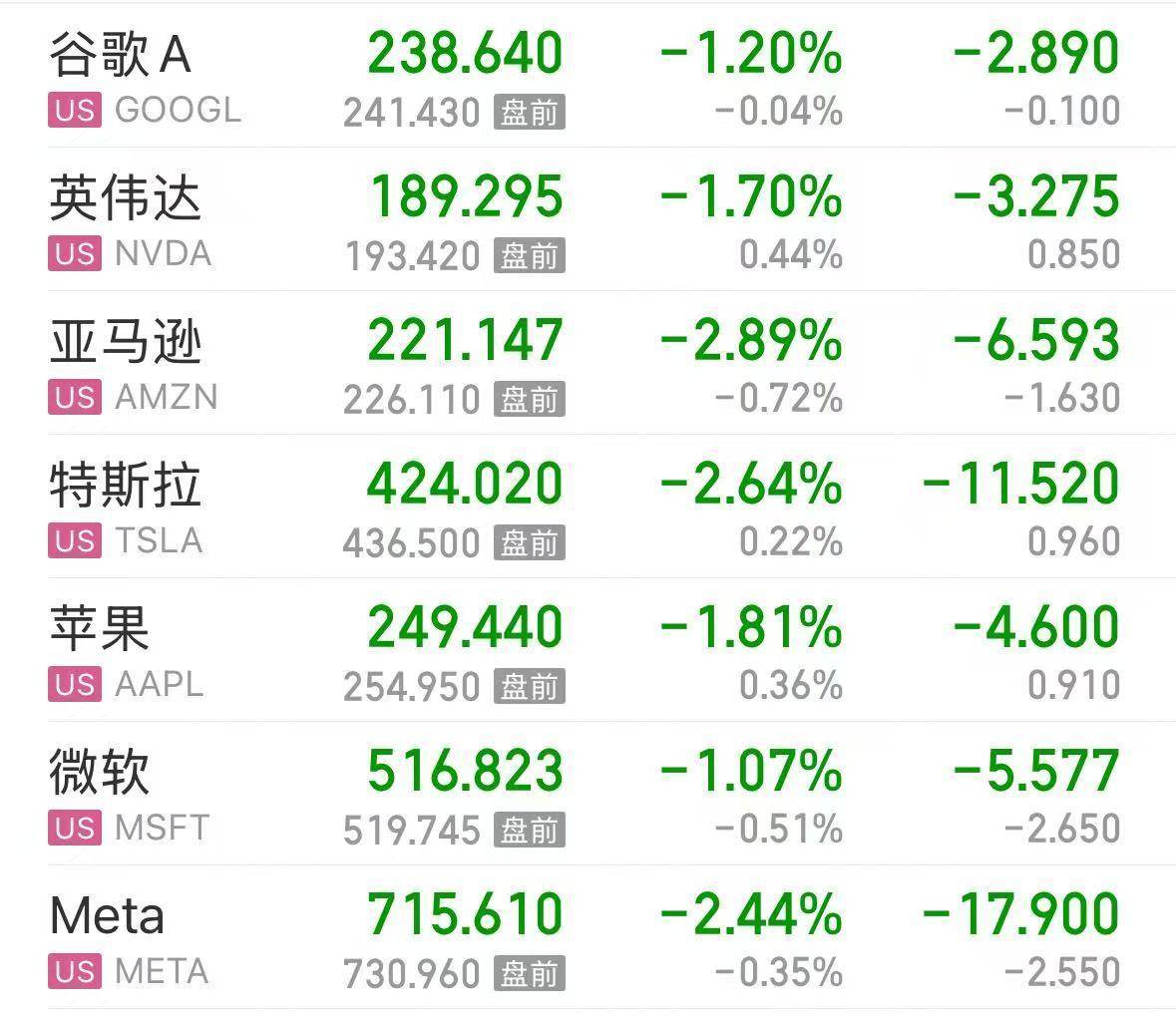
Large technology stocks generally fell, with Amazon, Tesla, and Meta falling by more than 2%, and Google, Nvidia, Apple, and Microsoft falling by more than 1%.
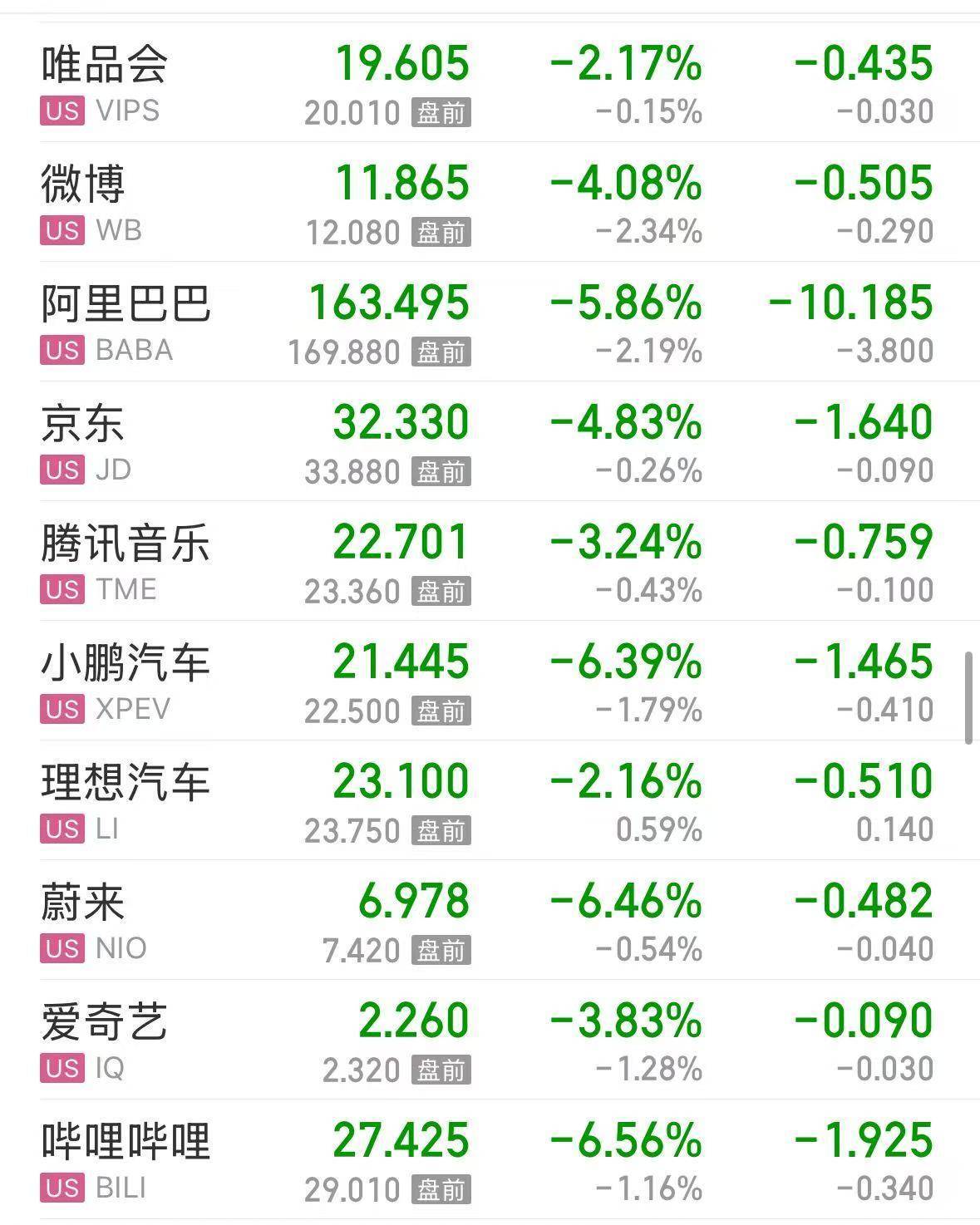
The overall performance of Chinese concept stocks was relatively weak. NIO, Xpeng Motors and Bilibili fell by more than 6%, Alibaba fell by more than 5%, JD.com and Weibo fell by more than 4%, and iQiyi fell by more than 3%.
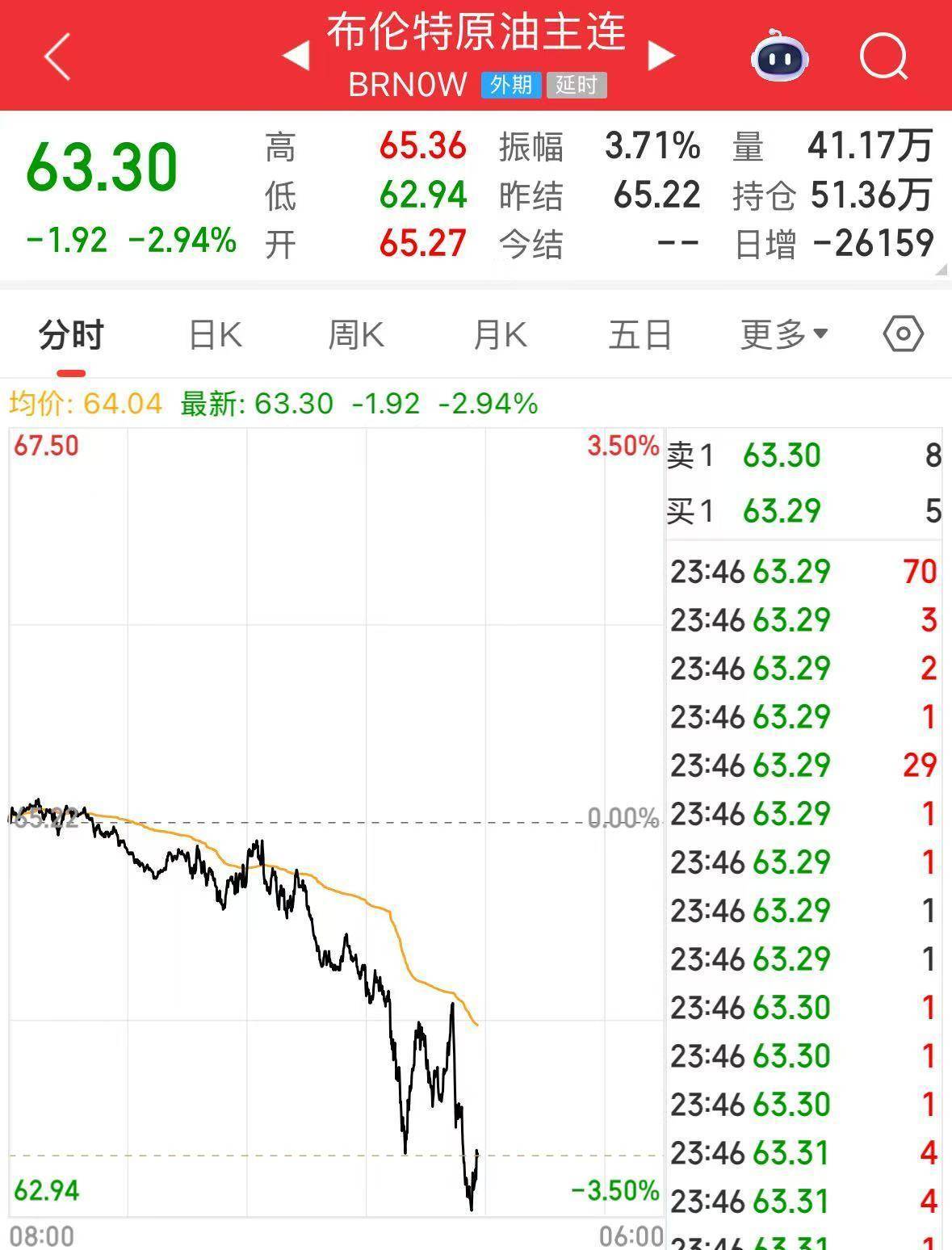
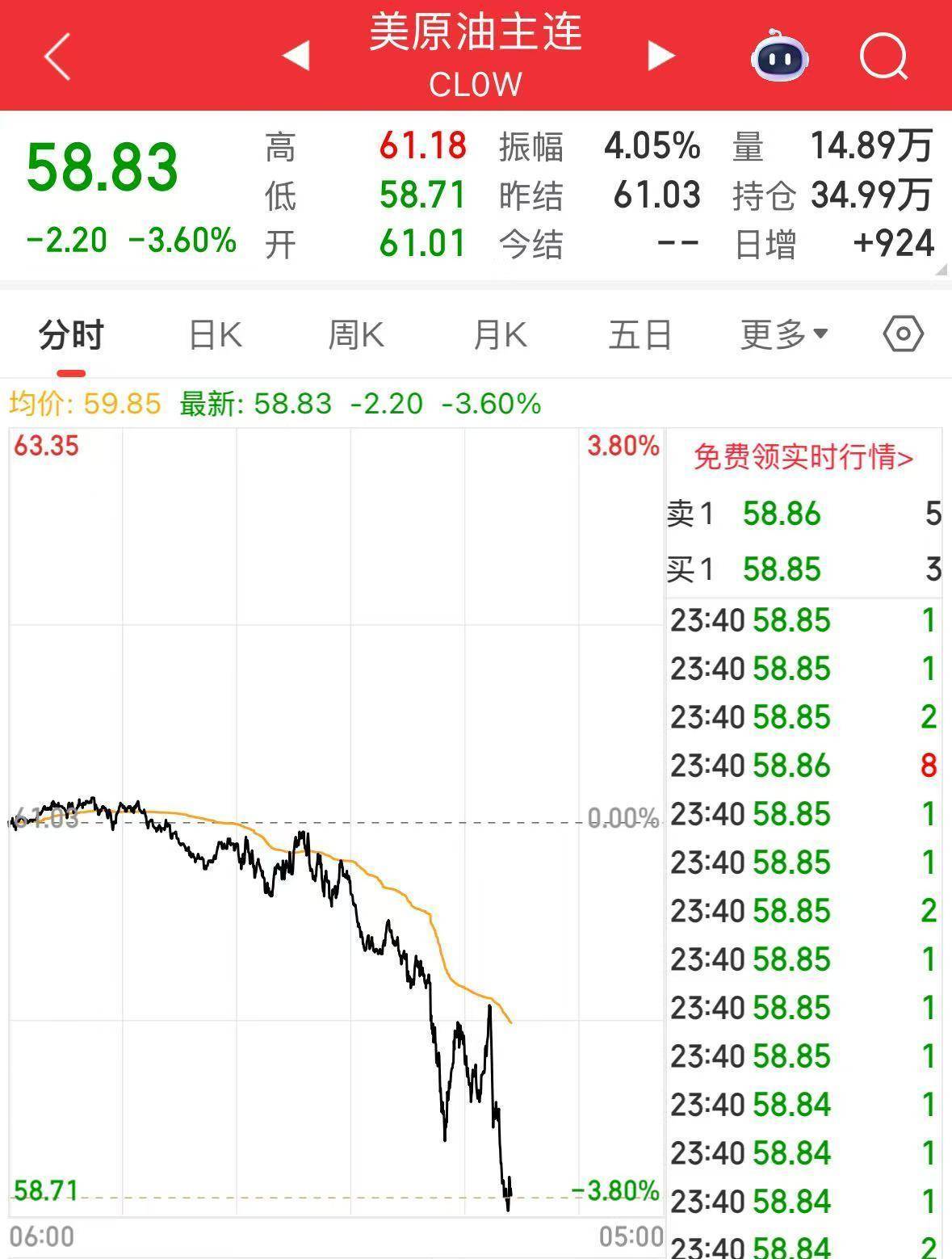
Oil prices continued their decline. As of press time, Brent oil fell nearly 3%, and U.S. oil fell more than 3%.
The latest data released shows that the initial value of the University of Michigan’s consumer confidence index in the United States in October was 55, the lowest since May. It was estimated to be 54.2 and the previous value was 55.1.
Joanne Hsu, director of the University of Michigan Consumer Survey, said that the U.S. consumer confidence index in October was basically the same as in September. This month, consumers’ views of current personal finances and business conditions in the year ahead improved, but expectations for future personal finances and ratings of current purchasing conditions for durable goods offset each other.
Overall, consumers see little change in the U.S. economic outlook from last month. “Wallet issues” such as high prices and weak job prospects remain top concerns for consumers. Currently, consumers do not expect significant improvements in these factors.
Meanwhile, interviews show there is little evidence so far that the ongoing federal government shutdown has changed consumers’ views on the economy. Meanwhile, inflation expectations for the coming year fell to 4.6% this month from 4.7% last month, but remain high. Long-term inflation expectations are stable at 3.7%.


