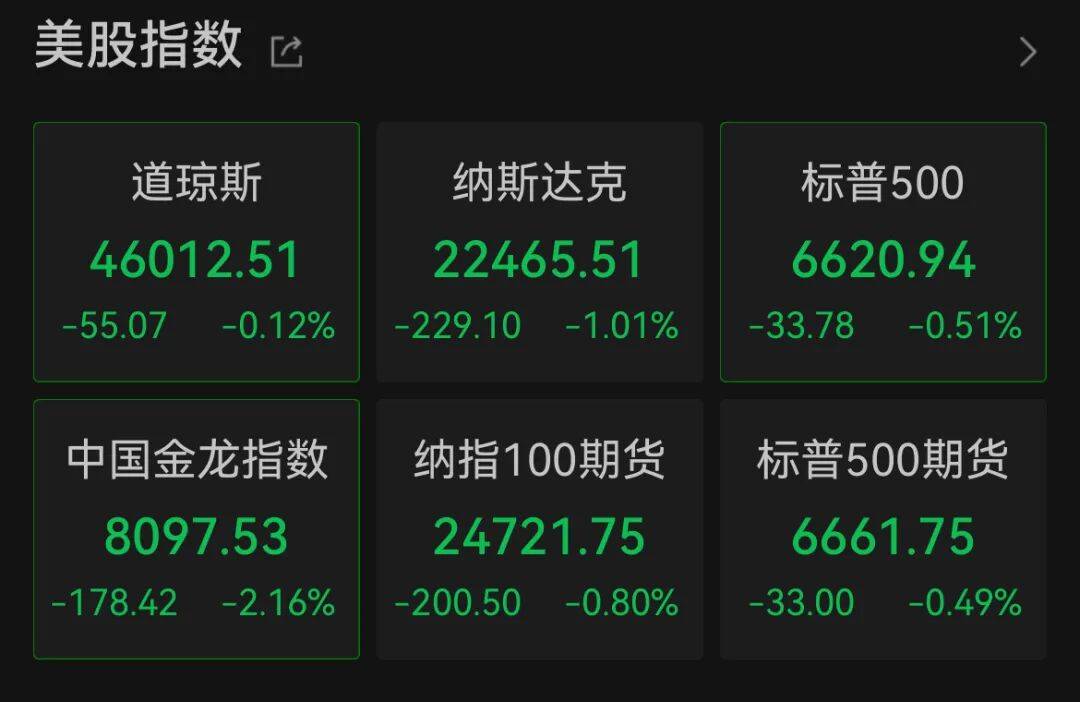
On Tuesday (October 14) local time, the three major U.S. stock indexes collectively opened lower. As of press time, the Dow fell 0.12%, the Nasdaq fell more than 1%, and the S&P 500 fell 0.51%.
Technology stocks opened lower and moved lower. Nvidia, Broadcom, and Oracle stock prices all fell by 4%, while stocks such as Tesla, TSMC, and JP Morgan Chase fell by more than 3%.
Oracle will host the Global AI Conference in Las Vegas from Monday to Thursday. Oracle is expected to launch a new AI database at the conference. The company is currently transforming from a traditional software manufacturer to an AI infrastructure provider.
U.S. storage concept stocks fell rapidly at the opening, with SanDisk falling nearly 8%, Western Digital falling more than 3%, and Seagate Technology falling more than 2%.
The trend of bank stocks was divided. Wells Fargo and BlackRock rose by more than 3%, Goldman Sachs fell by more than 4%, JPMorgan Chase fell by more than 3%, and Morgan Stanley and Deutsche Bank fell by more than 1%.
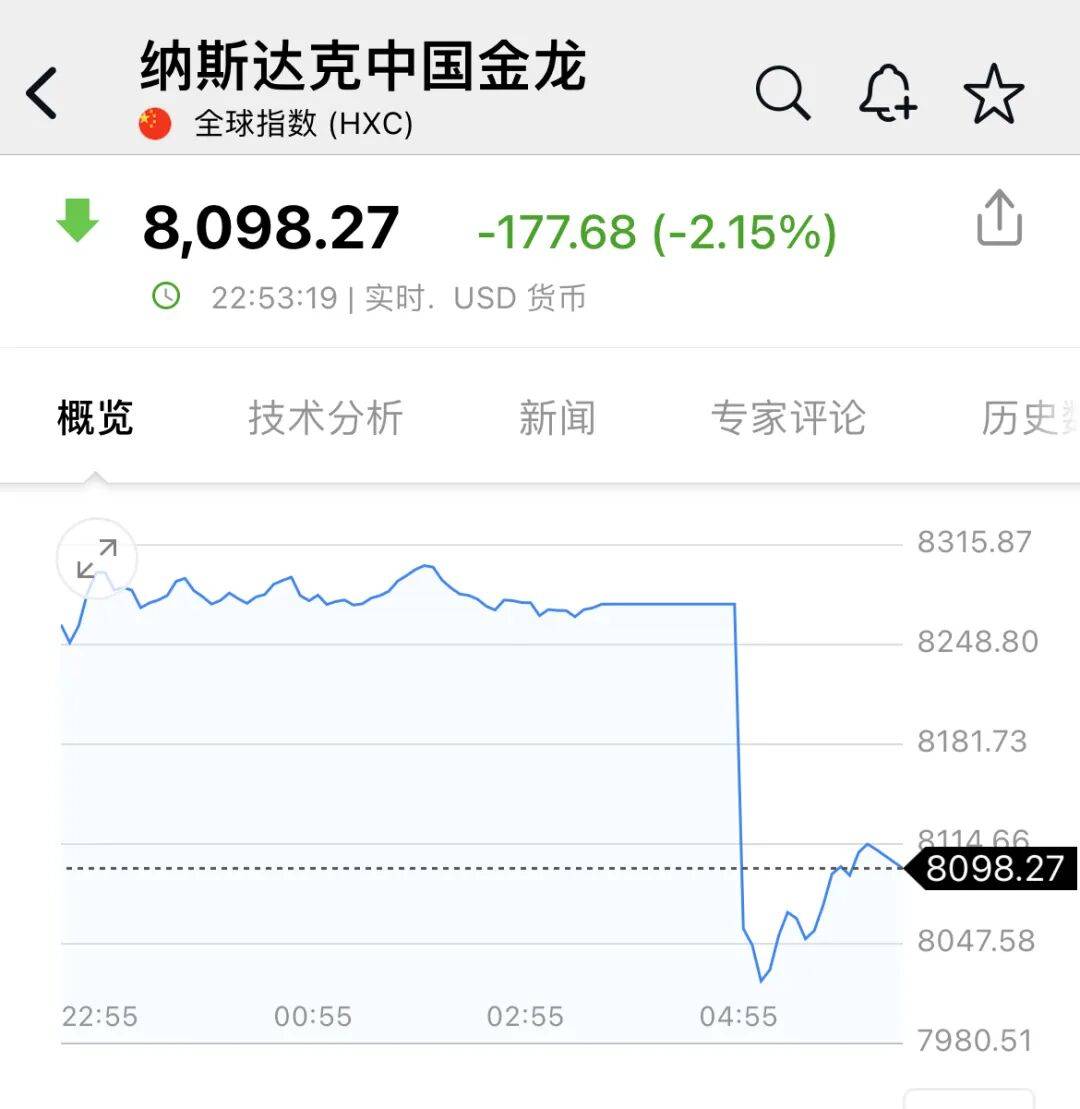
The Nasdaq China Golden Dragon Index once fell by more than 3%, and the decline has narrowed as of press time.
Fed Governor Bowman said he continues to expect two more interest rate cuts before the end of this year.
John Williams, a member of the Federal Reserve Monetary Policy Committee (FOMC) and President of the Federal Reserve Bank of New York, previously made it clear in an interview with the New York Times that he supports further lowering interest rates this year to deal with the risk of a sharp slowdown in the labor market.
“The risk of a further slowdown in the labor market is something that I am very concerned about,” Williams said in the interview, detailing the Fed’s assessment of current job market conditions. He said that the labor market has shown a gradual cooling trend over the past year. Although the unemployment rate has only increased by a few tenths of a percentage point, job vacancies have continued to decline and the turnover rate has also fallen to low levels.
“We have seen the job market gradually cool over the past year, but that cooling has not triggered concerns about an impending recession or a sharp slowdown,” Williams said. He said the latest indicators for September showed that the overall job market continued to cool modestly and showed no signs of accelerating deterioration.
In terms of inflation, Williams believes that tariffs have indeed pushed up the price of imported goods and had a direct impact on overall inflation, but this impact is smaller and more dispersed than previously expected. He estimated that the tariffs increased inflation by 0.25 to 0.5 percentage points.


