As the United States blacklisted Rosneft and Lukoil, concerns about supply disruptions instantly detonated the market. Oil prices hit their biggest one-day rise in months on Thursday. How will Russia fight back?
International oil prices soared after the United States announced sanctions on Russia’s largest oil companies, a move that threatens supplies from the world’s top oil producer.
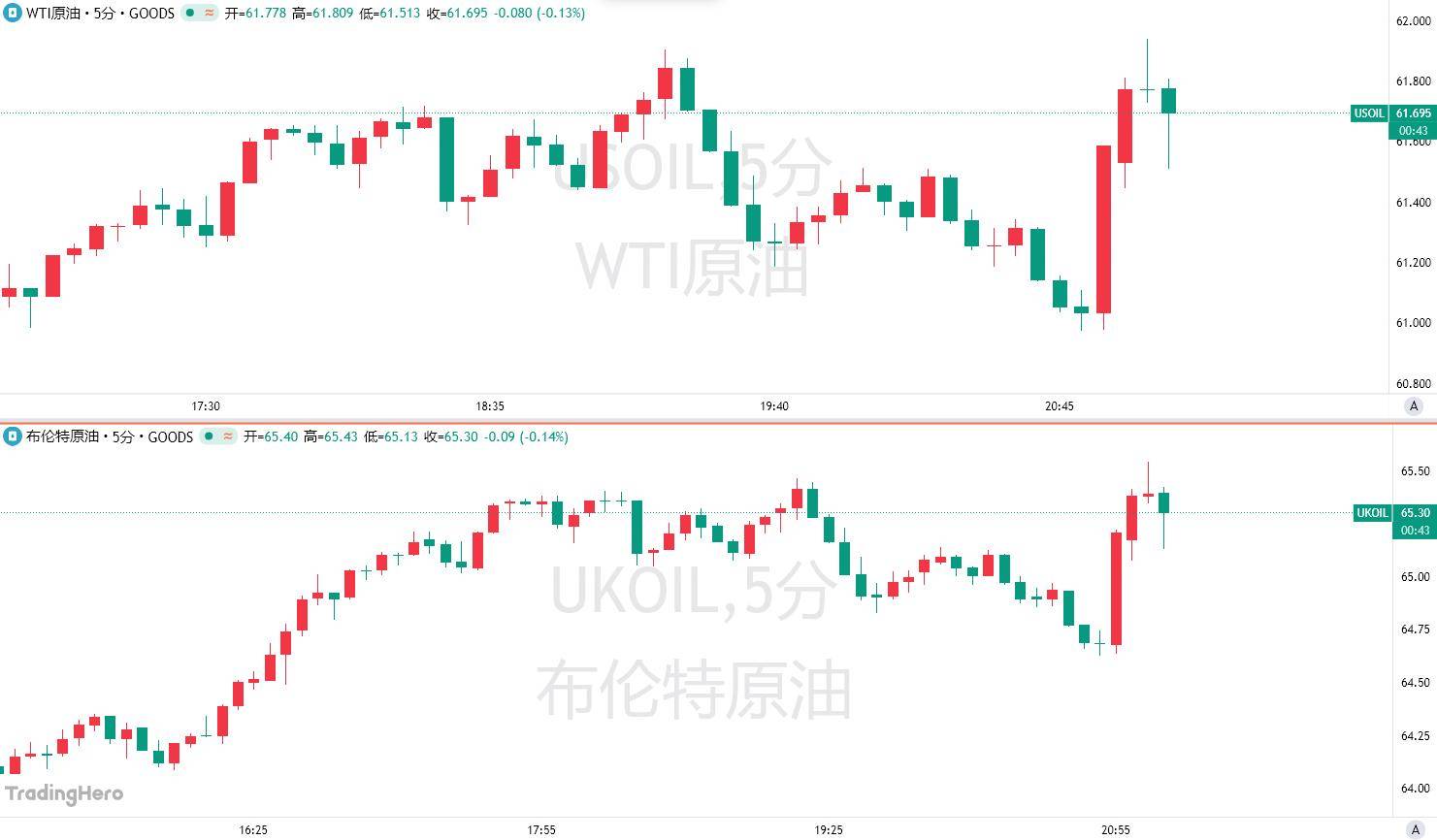
Brent crude oil prices are rebounding from a five-month low hit on Monday. On Thursday, WTI crude oil and Brent crude oil both rose by more than 4%, recording the largest gains since the conflict between Israel and Iran broke out on June 13.
Futures prices also rose amid signs that the recent sell-off was overdone and U.S. inventories were dwindling, with WTI crude oil futures soaring as much as 6% during the day.
The United States has blacklisted Russian oil majors Rosneft and Lukoil, sparking concerns that major buyer India will abandon deals with Moscow.
The move comes at a time when global supplies appear to be plentiful as producers inside and outside OPEC+ ramp up production amid signs of slowing demand growth. If India does significantly cut back on purchases, the question will become whether other countries are willing to fill the gap.
Indian refinery executives said the restrictions would make it almost impossible to continue trading.
Jorge Leon, head of geopolitical analysis at Rystad Energy, said: “The latest U.S. sanctions against Russia’s largest oil producer are a significant and unprecedented escalation in Washington’s pressure campaign on Moscow.” He added: “Combined with a series of recent attacks on Russian oil infrastructure, these sanctions increase the likelihood of major disruptions in Russian crude oil production and exports, increasing the risk of forced production shutdowns .”
Meanwhile, the European Union has also put additional pressure on the Kremlin , passing a new sanctions package targeting Russia’s energy infrastructure that includes a sweeping trading ban on Rosneft and Gazpromneft.
The oil market has been flashing signs of oversupply, with the stock of tankers at sea hitting record highs and the International Energy Agency predicting global supply will exceed demand by nearly 4 million barrels per day next year. This has resulted in the near-term forward price curve showing signs of increasing market weakness.
But while ample supplies may cushion the impact of these sanctions, their impact cannot be underestimated. Rearranging India’s imports will be a difficult task, with more than a third of the country’s imports coming from Russia.
To be sure, Russia is experienced in circumventing sanctions, and its ultimate impact is unclear . The country’s seaborne crude oil shipments recently hit a 29-month high despite a series of Western restrictions. For example, Indian refiner Nayara Energy, backed by Rosneft, may remain an export outlet for the country’s crude.


