On November 27, the U.S. Dollar Index continued its recent downward trend, hitting a intraday low of 103.52, a drop of more than 2% from the previous month’s high, and setting a new three-month low. The market’s rising expectations for the Federal Reserve to cut interest rates in the first half of 2026 have become the core factor suppressing the dollar’s performance.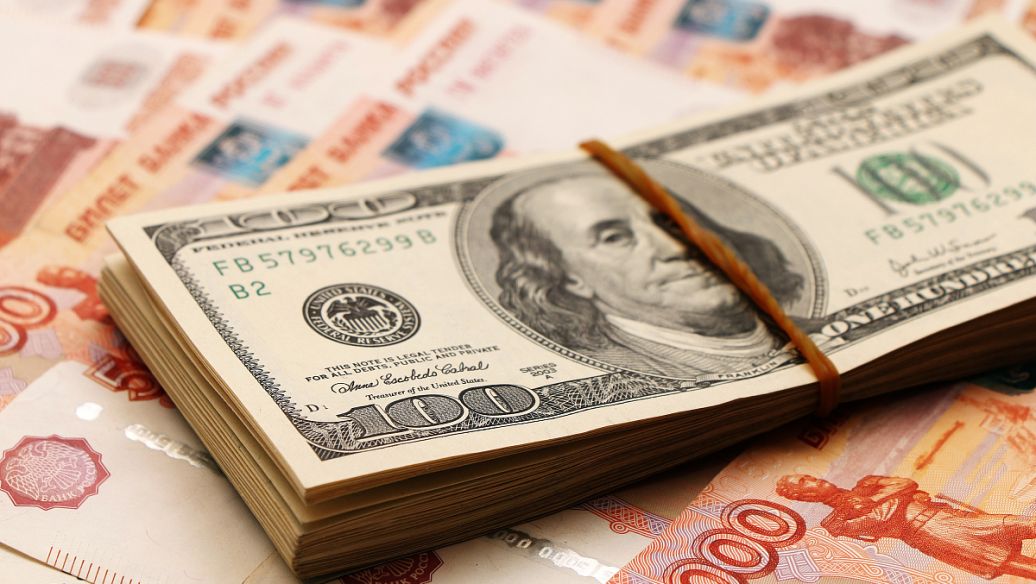
The latest meeting minutes released by the Federal Reserve show that many officials believe the current interest rate level is close to the peak, and some members mentioned the need to guard against the risk of excessive tightening. According to the interest rate observation tool of the Chicago Mercantile Exchange, the market’s probability of expecting the Federal Reserve to cut interest rates by 25 basis points in March 2026 has risen to 65%, and the probability of a cumulative interest rate cut of 50 basis points by June exceeds 50%. The dovish signals pushed U.S. Treasury yields down simultaneously, with the 10-year U.S. Treasury yield falling to 4.21%, a drop of 0.5 percentage points from the October high.

Non-U.S. currencies generally strengthened. The euro rose to 1.0920 against the U.S. dollar, and the British pound broke through the 1.27 mark against the U.S. dollar. Although the Japanese yen exchange rate still fluctuated around 150, officials of the Bank of Japan have repeatedly released intervention signals recently, limiting the room for the yen to depreciate. The RMB exchange rate remained stable; the onshore RMB closed at 7.1235 against the U.S. dollar, appreciating by 215 basis points compared with the previous trading day, and cross-border capital flows remained stable. Analysts pointed out that if U.S. inflation data continues to fall, the U.S. Dollar Index may come under further pressure, and non-U.S. currencies are expected to usher in a phased appreciation window.


