Recently, Russia has successively rolled out heavyweight gold control measures: a comprehensive ban on gold bullion exports, and a sharp reduction in the upper limit of gold individuals can carry out of the country to 100 grams. Against the dual backdrop of soaring international gold prices and unrelenting Western sanctions, these two moves are by no means temporary responses but a strategic layout to safeguard its economic sovereignty.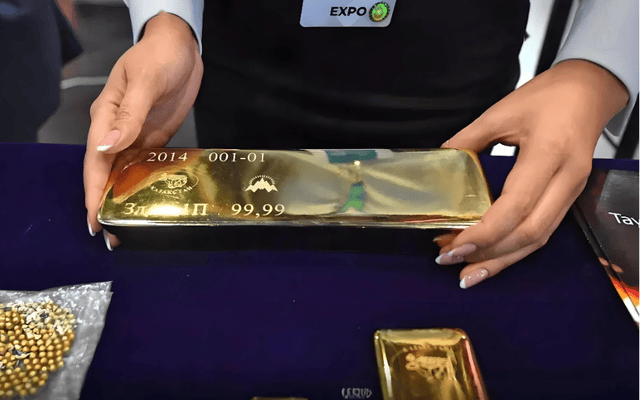
Under the shadow of sanctions, the strategic significance of gold to Russia has become increasingly prominent. Since 2022, the West has frozen nearly 300 billion euros of its foreign exchange reserves, and the London Bullion Market Association has also shut Russia’s gold out, cutting off its traditional monetization channels. Currently, the value of Russia’s gold reserves has exceeded 300 billion US dollars for the first time, with 2,335 tons of physical reserves ranking fifth globally, accounting for 41.3% of its total foreign exchange reserves, making gold an irreplaceable “financial ballast stone”. Banning gold bullion exports at this juncture is essentially about firmly controlling this hard currency to avoid “burning one’s bridges”.
The 100-gram upper limit for personal gold carrying fully demonstrates the precision of the policy—it not only plugs the loophole of large-scale gold transfer in the name of individuals but also does not affect the normal needs of the public. This echoes Russia’s measures to activate its domestic gold market: by canceling the value-added tax on gold purchases and launching people-friendly gold wealth management products, it has built an internal digestion system consisting of “central bank-enterprises-residents”. It is estimated that the public’s gold purchases in Russia will exceed 62 tons in 2025, which is sufficient to absorb domestic production capacity.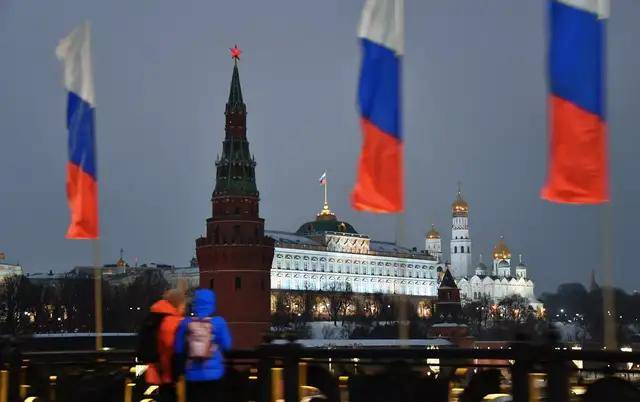
The policy shift stems from Russia’s economic reality: the Russia-Ukraine conflict has pushed up military expenditures, energy export revenues have dropped by 35% due to sanctions, and the budget deficit in the first ten months of 2025 reached 4.2 trillion rubles. As the world’s second-largest gold-producing country, Russia’s annual gold output exceeds 300 tons, and its domestic production capacity is fully capable of meeting domestic demand, which provides the confidence for restricting exports.
The external concern about Russia “closing its doors to the world” is actually a misunderstanding. Russia has retained flexible mechanisms such as special presidential permits, and the gold control and foreign investment ban form a “dual protection”—the latter extends the restrictions on “unfriendly countries” investing in core enterprises until 2027 to safeguard the “lifeblood” of its economy. This kind of contraction is a proactive defense to cope with external risks by consolidating internal foundations.
For the global market, Russia’s measures will exacerbate the tension between gold supply and demand. Currently, central banks around the world are continuing their gold-purchasing spree, and the withdrawal of Russian gold from international circulation may further push up gold prices. At the same time, Russia is promoting the application of gold in energy settlements through the BRICS framework, providing a new path for “de-dollarization”.
Amid the turbulent international game, Russia is using gold as a shield and control measures to gain room for maneuver. This is not decoupling from the world, but a strategic choice of using defense as an offensive. When gold, the ultimate safe-haven asset, is firmly guarded, Russia’s initiative in the changing situation will become more solid, and the direction of this financial game deserves global attention.


